SIP Call Configuration
Das Session Initiation Protocol (SIP) ist ein Signalisierungsübertragungsprotokoll, das zum Initiieren, Warten und Beenden von Gesprächen verwendet wird.
Ein SIP-Anruf verwendet SIP, um Daten zwischen SIP-Geräten zu senden und zu empfangen, und kann das Internet oder ein lokales Netzwerk nutzen, um eine hochwertige und sichere Kommunikation zu gewährleisten. Um einen SIP-Anruf zu starten, ist ein SIP-Konto, eine SIP-Adresse für jedes Gerät und die Konfiguration der SIP-Einstellungen auf den Geräten erforderlich.
SIP Account Registration
Jedes Gerät benötigt ein SIP-Konto, um SIP-Anrufe zu tätigen und zu empfangen.
Akuvox-Gegensprechanlagen unterstützen die Konfiguration von zwei SIP-Konten, die unter zwei unabhängigen Servern registriert werden können.
Klicken Sie hier , um das Beispiel zur Registrierung des SIP-Kontos anzusehen.
Register SIP accounts on the web Account > Basic > SIP Account interface.
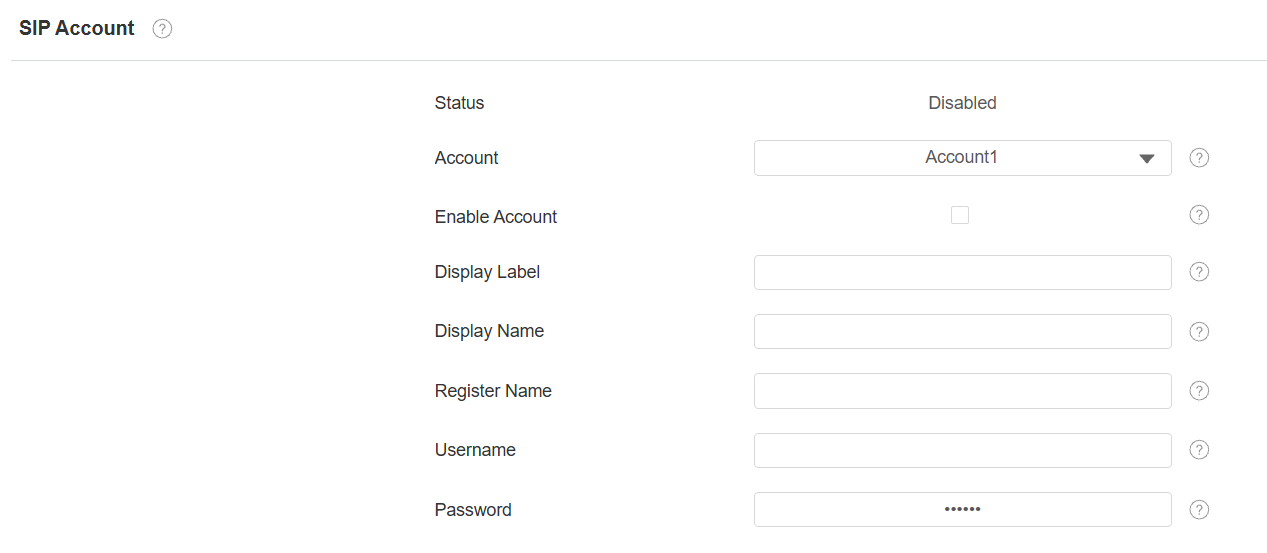
Account 1/Account 2: the door phone supports 2 SIP accounts.
- Account 1 is the default account for call processing. Also, it will be utilized when the Akuvox SmartPlus cloud service is activated.
- The system switches to Account 2 if Account 1 is not registered.
Tip
When the device is connected to the SmartPlus Cloud, the display label, register name, and username will show its SIP number.
Display Label: The label of the device.
Display Name: The display name of the device.
Register Name: Same as the username from the PBX server.
Username: Same as the username from the PBX server for authentication.
Password: Same as the password from the PBX server for authentication.
SIP Server Configuration
SIP-Server ermöglichen es Geräten, Anrufsitzungen mit anderen Intercom-Geräten über das SIP-Protokoll zu etablieren und zu verwalten. Sie können Drittanbieter-Server oder ein integrierter PBX im Akuvox-Innenmonitor sein.
Navigate to the web Account > Basic interface.
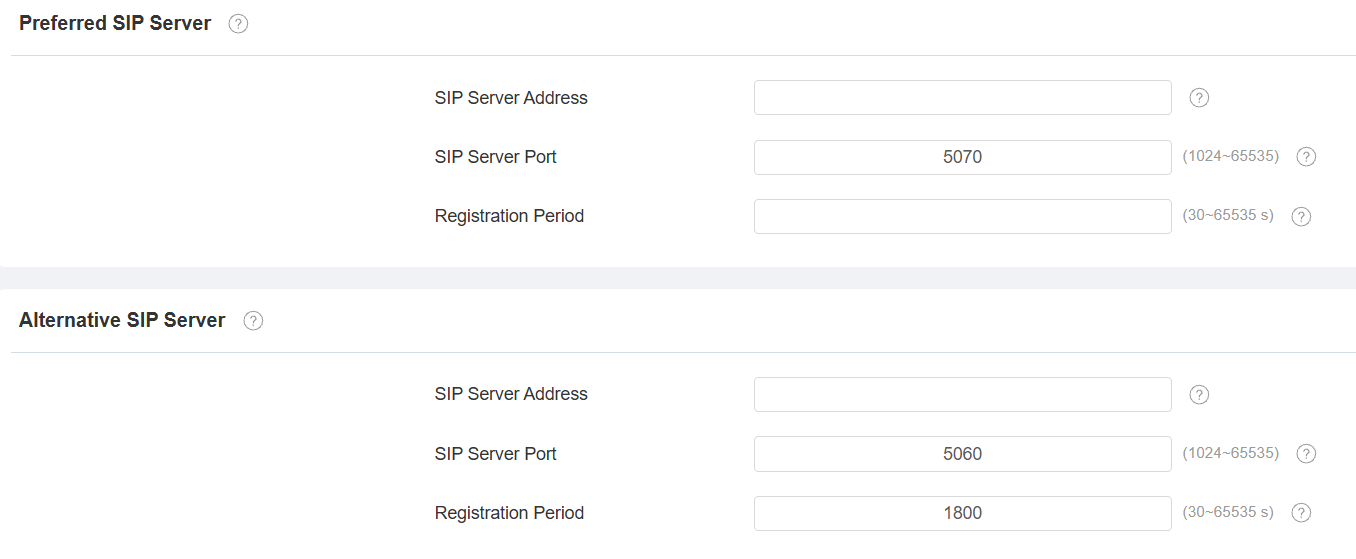
SIP Server Address: Enter the server’s IP address or its domain name.
SIP Server Port: Specify the SIP server port for data transmission.
Registration Period: Define the time limit for SIP account registration. Automatic re-registration will initiate if the account registration fails within this specified period.
Outbound Proxy Server
Ein ausgehender Proxyserver wird verwendet, um alle initiierenden Anfragen zu empfangen und sie an den zugewiesenen SIP-Server weiterzuleiten, um eine Anrufsitzung über portbasierte Datenübertragung zu etablieren.
Set it up on the web Account > Basic > Outbound Proxy Server interface.
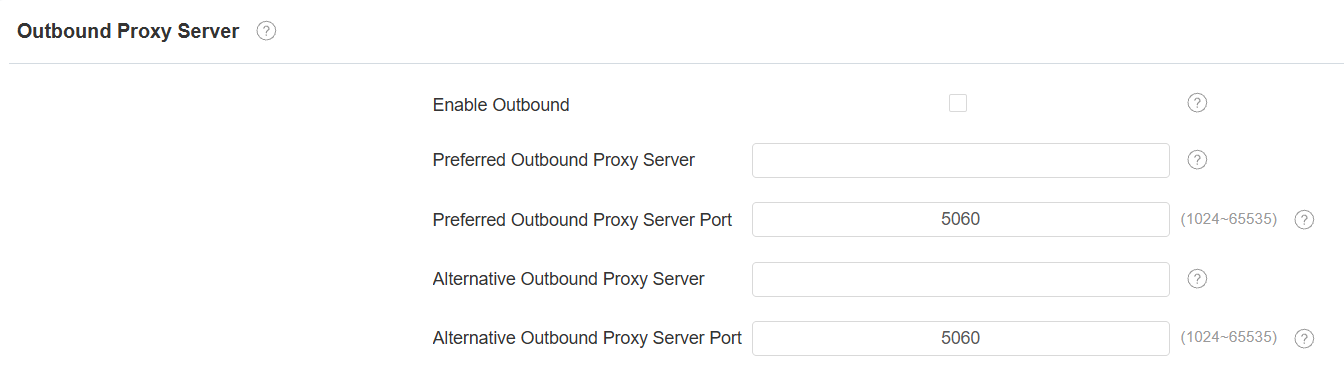
Preferred Outbound Proxy Server: Enter the SIP proxy IP address.
Preferred Outbound Proxy Server Port: Set the port for establishing a call session via the outbound proxy server.
Alternative Outbound Proxy Server: Enter the SIP proxy IP address to be used when the main proxy malfunctions.
Alternative Outbound Proxy Server Port: Set the proxy port for establishing a call session via the backup outbound proxy server.
Data Transmission Type
SIP-Nachrichten können in drei Datenübertragungsprotokollen übertragen werden: UDP (User Datagram Protocol), TCP (Transmission Control Protocol), TLS (Transport Layer Security) und DNS-SRV. In der Zwischenzeit können Sie auch den Server identifizieren, von dem die Daten kommen.
Set it up on the Account > Basic > Transport Type interface.

UDP: An unreliable but very efficient transport layer protocol. It is the default transport protocol.
TCP: A less efficient but reliable transport layer protocol.
TLS: An encrypted and secured transport layer protocol. Select this option if you wish to encrypt the SIP messages for enhanced security or if the other party’s server uses TLS. To use it, you need to upload certificates for authentication.
SIP Hacking Protection
Das Abhören von Internettelefonen ist ein Netzwerkangriff, der es unbefugten Parteien ermöglicht, die Inhalte der Kommunikationssitzungen zwischen den Intercom-Nutzern abzufangen und darauf zuzugreifen. Dies kann sensible und vertrauliche Informationen für die Angreifer offenlegen. SIP-Hacking-Schutz ist eine Technik, die SIP-Anrufe vor Kompromittierungen im Internet schützt.
Set it up on the Account > Advanced > Call interface.

Prevent SIP Hacking: Activate this feature to only receive calls from contacts in the whitelist. This protects users’ private and secret information from potential hackers during SIP calls.
Audio Codec Configuration
The device supports four types of codecs (PCMU, PCMA, G729, and G722) for encoding and decoding the audio data during the call session. Each codec varies in terms of sound quality. Higher bandwidth means the device can capture more detail, leading to clearer sound, and higher sample rates capture more data, reducing distortion and preserving sound quality.
You can select the specific codec with different bandwidths and sample rates flexibly according to the actual network environment.
To set it up, go to the web Account > Advanced interface.
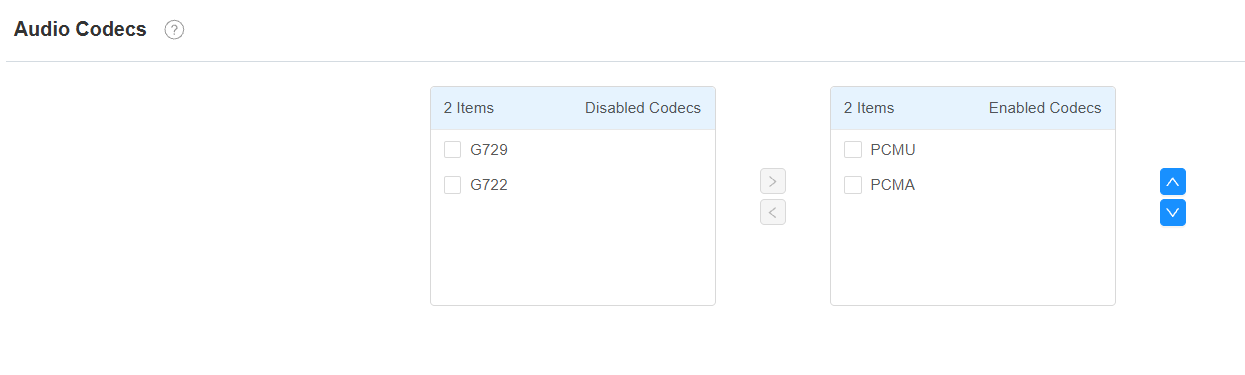
Please refer to the bandwidth consumption and sample rate for the codec types below:
Codec Type | Bandwidth Consumption | Sample Rate |
|---|---|---|
PCMA | 64 kbit/s | 8kHZ |
PCMU | 64 kbit/s | 8kHZ |
G729 | 8 kbit/s | 8kHZ |
G722 | 64 kbit/s | 16kHZ |